Mastering Customs Clearance of Food by Air Cargo in Dubai
August 14, 2026
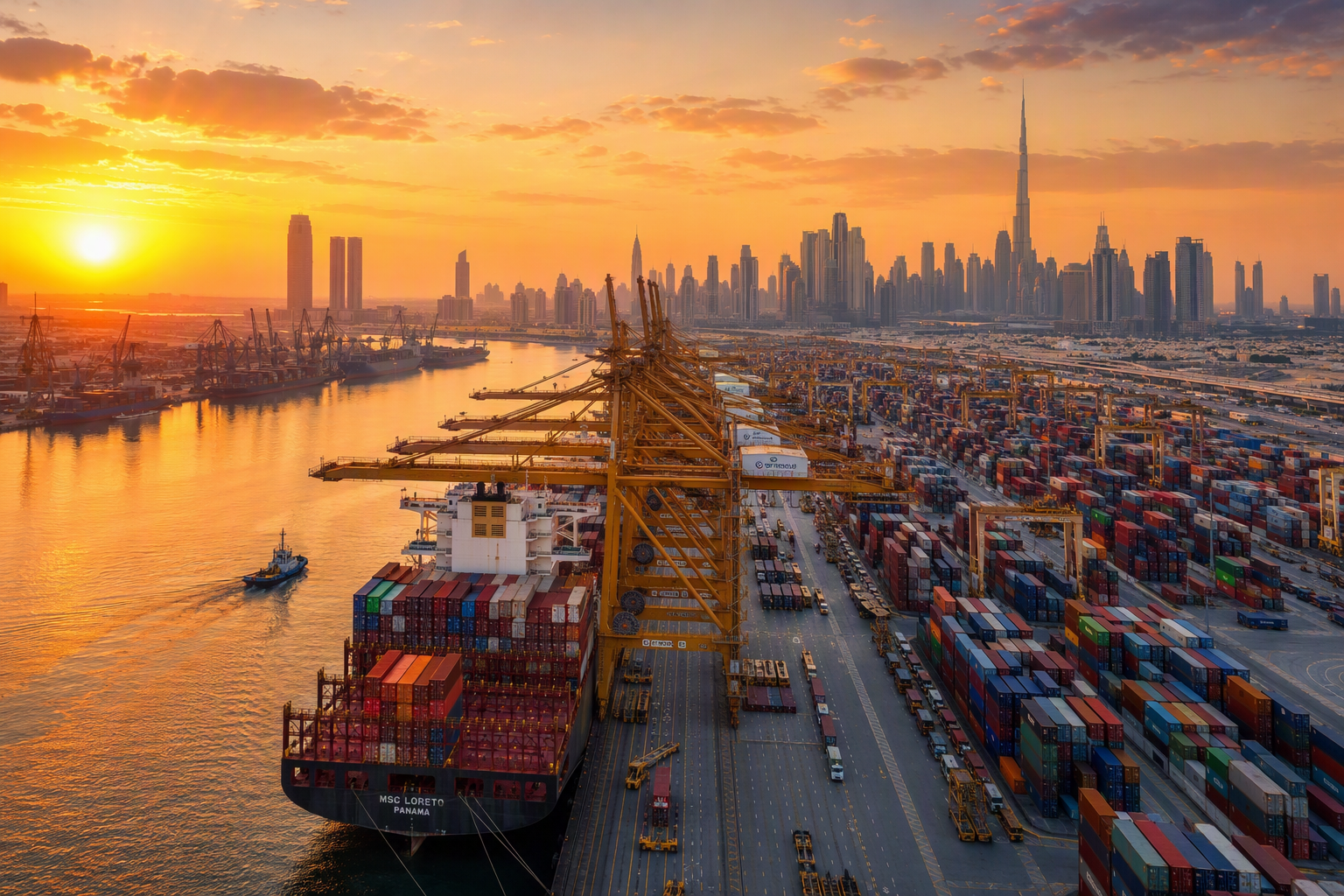
Inbound cargo coming into Dubai can be fast, but even a small mistake may slow it down. If you do not have all the paperwork, or your shipment does not meet dubai customs requirements, there can be delays or more costs. This is why it is good to learn about customs clearance before your goods get there. Dubai customs has a system for you to use with registration, declarations, checks, and payments. If you know what will take place, you can cut risks, stop problems early, and help your cargo move with less wait time.
Dubai customs clearance is the way to get goods checked and cleared by customs when you bring them into Dubai. The customs process checks all cargo that comes in by air freight, sea freight, or land borders. They make sure all rules are followed, see what charges need to be paid, and give the approval to release the goods. Dubai customs clearance is done when goods come through these ways, or when items move from the free zone into the mainland.
In practice, these are the steps you find. First, there is business registration. After that, you get the papers ready. Then, you file the declaration with Dubai customs. A customs officials assessment happens next. They may do an inspection if they think it is needed. You then have to make your payment. The last step is the final release.
Dubai customs regulations are clear. But if you make mistakes with the value, the classification, or do not get the right approvals, it can delay your process. These are delays you could avoid.
The main group that looks after cargo coming into Dubai is called the Dubai customs authority. This group looks after declarations for cargo, checks what is inside, checks the values, and does the steps needed to release goods. It also helps people who bring things into Dubai get needed services by using Dubai customs systems. If you or your group needs customs services, you must register with Dubai customs.
Customs authorities do not work by themselves. They follow the rules from the Federal Customs Authority and also the GCC. This matters because things like duty rates, customs valuation, and trade agreements use the same standards for the region. If there are goods that can be limited, people will need the right approvals from other relevant authorities.
Dubai Trade is a good place for tracking and handling your transactions. Importers and agents use Dubai Trade to send in their declarations. They also ask for reports and check shipments through the customs system. For you, this is the main spot to use if you want better visibility and to keep up with regulatory compliance.
Inbound cargo enters Dubai in a few key ways. The main ways are by air freight at Dubai International Airport, by sea freight at Jebel Ali Port, and by trucks coming through land borders. Each one needs the same core customs clearance process. But, the handling steps for the customs clearance process may change based on how the cargo gets to Dubai.
Classification is a big part of customs control. You have to say what your goods are and use the right tariff code. This helps customs pick the right duty rate and see what permits or checks are needed. If you do not classify your goods the right way, there may be questions, more checks, or even long delays.
Yes, there are a few real differences between air freight and sea freight when items arrive. Air cargo gets cleared fast if you have all the right papers ready. Sea freight takes more time because port handling, getting a delivery order, and sometimes work done before the ship comes in, all take time.
The steps also change based on what type the product is, how much it costs, and if it fits with the rules.
The customs clearance process in Dubai has several steps. First, you have to set up your business and link it to a customs business code. Then, someone will check your documents. After that, you need to do your declaration submission on the Dubai Trade Portal. Once these are done, the customs procedures for your shipment will start.
This is the way the customs clearance process works with dubai trade and the Dubai Trade Portal. If you follow each of these steps, you can get through the clearance process with no problems.
After that, customs will look at the cargo. They will check how much the goods cost. They will see how the goods are grouped, too. Sometimes, they may pick some items to check more closely. All duties and other fees must be paid to customs the right way. When customs says the papers are good and all checks are done, they will give a release order. The next parts talk about each step in more detail.
Before you get your first shipment, you need the right setup. If you want to use Dubai customs, you have to register first. You also need a customs business code that links to your trade license. If you do not have these things, the declaration submission for your shipments cannot go ahead for normal business imports.
After you sign up, the importer or their customs clearing agent will use the Dubai Trade Portal to send the import form. In this step, you have to share details about the shipment, the customs value, and how your product should be put into a group. You also need to add all the needed documents. If a free zone company wants to sell products in the mainland, they need to pick the correct form type on Dubai Trade too.
Accuracy matters at every step. Dubai customs wants the same details on the invoice, packing list, bill of lading, airway bill, and any certificates of origin. If you do not give clear information for the declared value or on how you show the goods, they can ask for more proof before they let things go on.
After you send in your papers, the customs process moves to the next step. Customs officials will check the value you listed, the tariff code, the shipping details, and look for any permits you need. If the information follows customs regulations, your shipment will go through with no hold-up. But, if there is a mistake or missing data, they might keep your file and look at it more.
Customs officers do not look at every shipment. But, they will usually check shipments that they feel could be high risk. They also pick shipments if the rules about them are very strict, or if the details in the paperwork are not clear. A customs officer can look at the goods by hand or use X-rays. This helps them know if the items are the same as what is written on the form. Food, medicines, chemicals, electronics, and other things with strong rules are checked more often than some other goods.
Clearance time can be short or last longer. It depends on how correct your papers are and the risk involved. With air cargo, if all is good and clear, you can get it through in a few hours. Sea freight often takes about one to three business days if there are no big issues.
But if you need more approvals, or there are questions about value, or they want to check your goods, then it will take more time to get your release order and pick up your shipment.
Most of the time, dubai customs delay things because the paperwork is not done right. It is not because of the travel or transport. dubai customs asks you to get all required documents ready before your shipment gets there. This means you need to have a commercial invoice, packing list, and bill of lading if you are sending things by sea freight. If your shipment comes by air, you will need an airway bill.
Depending on what the goods are, you may need to get a certificate of origin. You might also have to give your trade license details. There can also be a need for tax registration records or special permits that come from relevant authorities. Customs regulations are often strict when they look at your papers. If there is any small mistake, it can stop your items from being released until you fix it.
The main file for cargo coming in is simple to read. Every paper has to support the others. Dubai customs asks for these shipping documents so they can check what the goods are. The papers also help them see where the goods came from, how they got shipped, and what duty to charge.
The main documents usually include:
Some items need extra paperwork compared to the usual ones. Food, cosmetics, wood packaging, medicines, pets, media, jewelry, and diamonds might each need some special papers. You may have to show things like health papers, proof of fumigation, approvals from ministries, files that show how something was made, or a Kimberly Process certificate. The list you need to get will depend on what you are sending and the rules for that type of shipment.
Many customs clearance issues can be stopped before they happen. Most of the time, these problems show up when the required documents do not match. Sometimes, the details are not clear enough for customs to check. If you want to get fewer shipment holds, you need to have strong internal controls in place before the shipment goes out.
Common challenges include:
Another thing you need to know is timing. If the papers get in late or they are not checked before the vessel or flight comes, it can cause problems. Any corrections then can bring more work and extra charges. A simple checklist for your papers, a review by the supplier, and a check before arrival can help you meet documentation requirements. This will also help you have fewer customs questions.
For most goods brought into Dubai, customs duties are based on the CIF value. CIF means cost, freight, and insurance. These are all the things needed to get the goods to Dubai. The usual rate of customs duty in Dubai is 5%. But some items have a different rate of customs duty. For example, alcohol has a customs duties rate of 50%. Cigarettes have a rate of 100%.
Besides the relevant duties, you may get VAT, port handling fees, storage costs, paperwork fees, and broker charges. These can change based on how you ship and what you ship. The payment of duties is done with the main payment methods. Most people pay through digital channels from dubai customs. The next parts will show how to find the basic costs and which payment steps are allowed.
Duty calculation starts with the customs value. In Dubai, customs regulations use the CIF method. So, the value of goods includes the cost, insurance, freight, and other fees up to the import place in the GCC. This customs value is used as the base for working out customs duties.
Most things you buy have a 5% tax on the CIF value. The rate for alcohol is higher at 50%. Cigarettes have a 100% tax. Some products might not get taxed or they could have special rules. This can change based on the product, the paperwork, and the customs rules for it.
|
Cargo Type |
Basis for Duty Calculation |
Typical Duty Rate |
|---|---|---|
|
Standard imported goods |
CIF customs value under GCC customs regulations |
5% |
|
Alcohol |
CIF customs value |
50% |
|
Cigarettes |
CIF customs value |
100% |
|
Rough diamonds with K.P. Certificate |
Subject to applicable customs treatment |
Duty exempt |
|
Loose color gemstone shipments |
CIF customs value |
5% |
After customs checks your shipment, you have to pay duties and other fees. Dubai customs lets you pay online. You can do the payment of duties and charges without going to the customs office. This helps make the release quicker and you can also track everything in a better way.
The main official methods include:
The way you pay will depend on the type of transaction and account you use. But it is best to always pay through the official systems. If you use a customs broker, make sure the payment is made with the right declaration. It is also important to meet the customs requirements on time. If you do not do this, your cargo will not come out until all the charges are paid.
Cargo delays in Dubai are common when the papers are missing, approvals are not there, there are questions about the value, or more checks are needed. When these things happen, the customs process will slow down. This may lead to more costs for storage or handling. The best thing is to respond fast and make sure you do things right.
If the shipment is held, you need to check customs compliance first. Find out the reason why customs has held your shipment. Give all the missing records they ask for. You can work with your broker or forwarder to fix the problem. When customs says the correction is good, the release order can go on. After that, you can plan delivery again.
Shipment delays usually follow a set pattern. They are not always random. Many times, something in the customs clearance file can cause customs to stop the shipment. Customs will not let the shipment move ahead until the issue is fixed. A good plan for risk management means you know these issues in advance and can deal with them before they slow down things.
Common challenges include:
There are some risks that can come up with different types of cargo. Books, CDs, or audio and video items may be stopped by the Ministry of Information for a check. Medicines will not go ahead if there is no health approval. Rough diamonds will be held if they do not have a K.P. Certificate. These points show that it is very important to be ready at the product level before you start the customs process.
If Dubai customs holds your cargo, do not try to guess why. Ask them for the exact reason. Then, reply to that issue only. A hold may happen because of valuation, needed permits, inspection results, or missing data. Quick answers can save you time and help you not have the same problem again.
Take these steps:
Let your freight forwarding partner know right away if there are any changes. This is true if storage, demurrage, or final delivery might be different from what you first said. If customs has a question about the value of your goods, you should have things like bank transfer slips, payment proof, or notes ready. Having good paperwork and fast teamwork will help you get through these things.
Ok! Please provide the text you would like rephrased, along with any keywords if you have them.
Recent updates now tell you how to use the 12-digit HS codes step-by-step with new GCC tariff changes. There is now more focus on sending all the needed information before sea cargo gets there. These changes have an effect on dubai customs clearance. Customs authorities need the right details and fast filing. This helps them follow customs regulations and use the correct trade agreements. Good and clear information is key for dubai customs. This also helps to make customs clearance easier.
Yes. The customs clearance process is mostly the same for both air freight and sea freight. Air freight that comes in through Dubai International Airport will often move faster if you have all your papers ready. Sea freight may need more port handling, and you will need to go through some steps like getting a delivery order.
Specific regulations for the customs clearance process depend on what type of cargo you have, its value, and any permits, not just on air freight or sea freight.
Yes, you can get your own shipments cleared. The customs process will change based on the type of item you send and its value. If your goods are worth more than the allowed limit, you need to tell customs about it. If you do this like a business, you will need a business code. A lot of people use a customs clearing agent to help when the paperwork or rules are too hard.
The customs clearance process begins when you register and get your papers checked. After that, you do a declaration submission. The next things to do are assessment, possible inspection, payment, and then you get the release. Sometimes, customs authorities ask for extra proof if they think the values or papers are not right. A lot of people get help from a customs broker or use freight forwarding to handle the customs clearance process. This helps make the clearance process easier for them.
Air freight follows the same customs clearance rules as ocean shipping. But, instead of a bill of lading, there is an airway bill used. The Dubai customs authority can still look at the goods when they arrive at Dubai International Airport. Regulatory compliance depends on the type of goods, the value you say they have, and if special approvals are needed.
You can see the status most of the time by going to the Dubai Trade Portal or by using other digital services from dubai customs. These sites are linked with the customs system that the customs authorities use. It helps with things like declarations, service requests, or when you need updates about your transactions. If you work with an agent, he or she can also check the progress for you.
The main place you need to go for this is the Dubai Trade Portal. You can also use the Dubai customs website and mobile apps to get help there. You must pay the payment of duties using the right systems for Dubai customs. If you get customs brokers to pay for you, be sure it is for the right declaration. Also, check that all customs requirements are met.
First, speak with customs authorities or your customs broker. Ask them why there is a hold on your cargo. When you find out, send in the missing paper, permit, or proof right away. A lot of cargo delays come up because of customs compliance issues. After customs says your papers look good, the release order can go forward. After this, you will be able to pick a new time for your delivery.
Yes, in Dubai, agents can clear goods for someone else if they have the right Clearing and Forwarding license. They must also have a customs business code and get the owner's approval. A customs broker or customs clearing agent often works together with freight forwarding teams. These experts help with the papers and steps to get the goods released.
The best customs clearance companies have the licenses they need. They have a lot of experience with Dubai Trade. They also have a good record for customs compliance. When you look at different customs clearance providers, see if they give clear prices. Make sure they help with the right paperwork. A customs broker should also work well with the freight forwarders in charge of your cargo. This teamwork helps your goods come in the right way.
If your cargo is held, customs clearance will stop right away. You can only move to the next step after you fix the problem. You might need to give more documents, show proof of value, get a permit, or wait for inspection results. When shipments wait too long, storage costs can also go up. That is why risk management is so important for everyone. After you fix the issue, customs will give you the release order.
Customs value is the price set for goods to find out how much duty you have to pay. In Dubai, customs regulations use the CIF way most of the time. This means the customs value includes the cost, insurance, and freight. It also adds any other fee up to the time the goods come in. This rule is for both air freight and sea freight. It will say what duty you need to pay.
The Agreement on Customs Valuation (ACV) lets people use many ways to know how much tax is needed for goods. These ways are the transaction value method, identical goods method, similar goods method, deductive value method, computed value method, and the fallback method. Each one is made to help people get fair and correct duty charges.
These items are looked after by the Ministry of Information or the Department of Information. Someone will check or review the items before customs clearance can start. The specific regulations are there to match local values and what people feel is right or wrong. For some goods, you need required documents and special permits or other approvals before they will let your items go.
When you send goods for repair or extra work and then bring them back, customs duty is only charged on the value added by that work. You do not pay duty on the full price you paid before. When you go through the customs clearance process, you should keep proof of shipment and details of the repairs done. This is important because it helps customs set the right customs value during the clearance process.
Any company that has a customs business code can clear cargo at Customs Centers. If someone has a valid Clearing and Forwarding license, a customs business code, and permission from the owner, they can work for consignees too. You can do the registration and use these services by going to the Dubai Trade Portal.
Keywords: dubai trade, dubai trade portal
A customs clearing agent can help you with declarations and by checking your documents. They also help you follow up on permits and will talk to customs for you. This is good because it lets you use best practices and not make mistakes that can slow your cargo. If you use a customs broker with freight forwarding, you can make timing and planning better. This also helps your shipments get strong customs compliance.
Customs timeframes can be different because of the type of cargo, how good the documents are, and if someone from dubai customs or other customs authorities needs to look at the shipment more. Most air shipments that have all the right documents can clear in just a few hours. Sea freight often takes between one and three business days. Delays can happen when dubai customs or other customs authorities need to do more checks before they give a release order.
The required documents you have to get are a commercial invoice, a packing list, a certificate of origin, and the right transport paper, like a bill of lading or an airway bill. For some items, you may also need more shipping documents or special approvals. This will depend on the product type, the country of origin, and the shipment details.